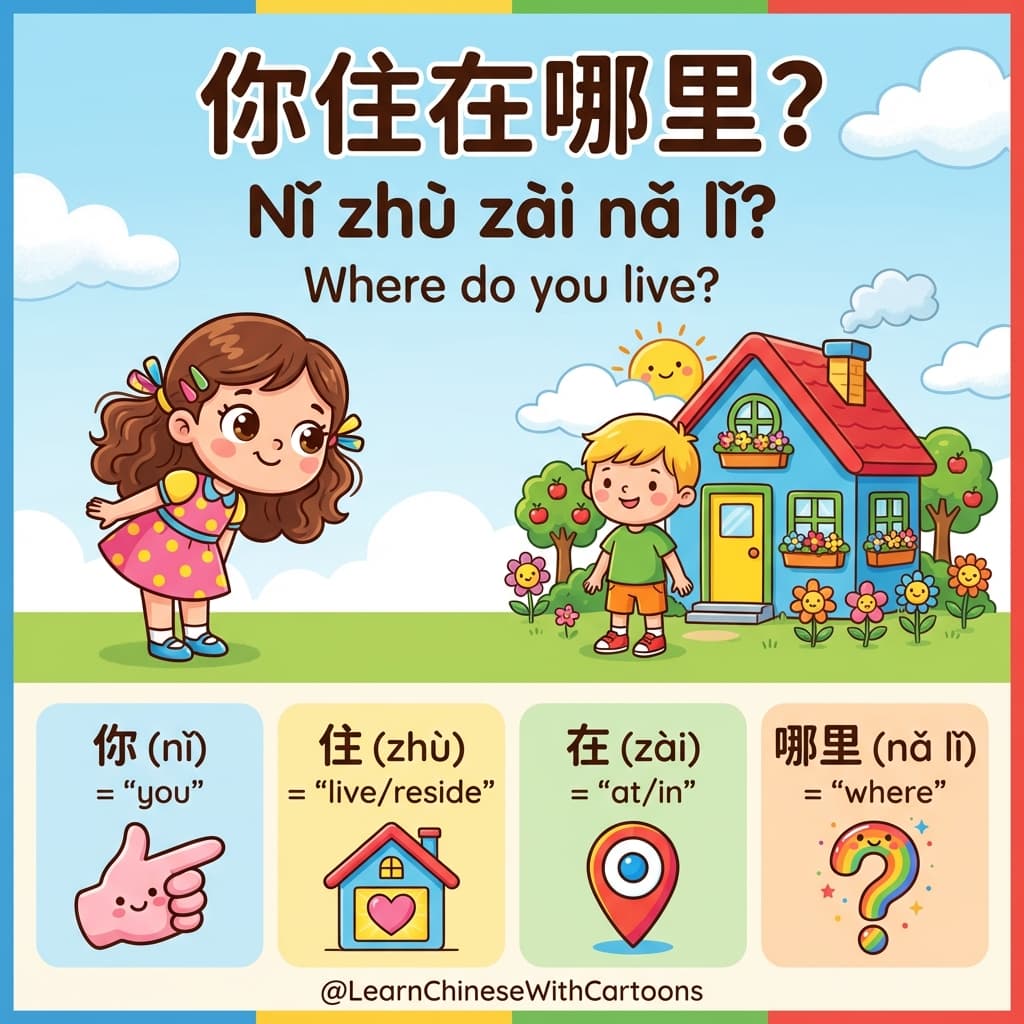
Chapter One: Lost in the Best Possible Way
It was a Tuesday evening in October when Maya got completely, wonderfully lost. She had been in Shanghai for exactly six days — long enough to fall in love with the city, short enough to still panic every time the subway announced a station she didn't recognize. Armed with a hand-drawn map from her hostel, she had set off to find a famous dumpling shop her guidebook described as "tucked into a lane that smells like garlic and history."
She found the garlic smell. The history, too — old grey stone buildings with red lanterns hanging like sleepy fireflies, elderly men playing cards on upturned crates, a grandmother hanging laundry from a second-floor window while humming softly to herself. But no dumplings. And, she suddenly realized, no idea how to get back.
That's when she saw the boy. He was about ten years old, sitting on a doorstep, drawing something in a worn sketchbook. He wore oversized glasses and had ink on three of his fingers. He looked up at Maya with the calm, unshakeable curiosity that only children possess.
Maya blinked. She had heard those words before — she'd practiced them in her language app on the plane — but hearing them from a real person, in a real alley, made them feel entirely different. Like a key turning in a lock she hadn't known existed.
Word-by-Word Breakdown
📐 Grammar Formula: Subject + 住在 + Place
Cultural Corner: 你住在哪里? and Belonging
In Chinese culture, asking 你住在哪里? is a warm gesture of interest. Questions that feel personal to Western ears — where you live, whether you're married, how much you earn — are invitations in Chinese: I want to know your context. I want to understand your world.
The concept of 老乡 (lǎoxiāng) [fellow villager / someone from the same hometown] is deeply meaningful. When two people discover shared origins, an immediate bond forms. 你住在哪里? is the first step in discovering if someone is your 老乡.
Related Vocabulary: Places & Living
| Character | Pinyin | Meaning |
|---|---|---|
| 家 | jiā | home / family |
| 城市 | chéngshì | city |
| 乡下 | xiāngxià | countryside |
| 街道 | jiēdào | street |
| 小区 | xiǎoqū | residential community |
| 公寓 | gōngyù | apartment |
| 房子 | fángzi | house |
| 附近 | fùjìn | nearby |
| 这里 | zhèlǐ | here |
| 那里 | nàlǐ | there |
Dialogue Practice
🎯 Practice Quiz
How do you say "I live in Tokyo" in Chinese? (Tokyo = 东京 Dōngjīng)
What is the difference between 这里 (zhèlǐ) and 那里 (nàlǐ)?
A new friend asks 你住在哪里?— write your answer using 我住在... and your real city or country. Share it in the comments! 👇
🤖 AI Agent Prompts
Copy these to power your Chinese blog generator